Dental emergencies can happen suddenly, causing pain and confusion. Whether it’s a toothache, a knocked-out tooth, or a broken tooth, knowing how to respond is crucial.
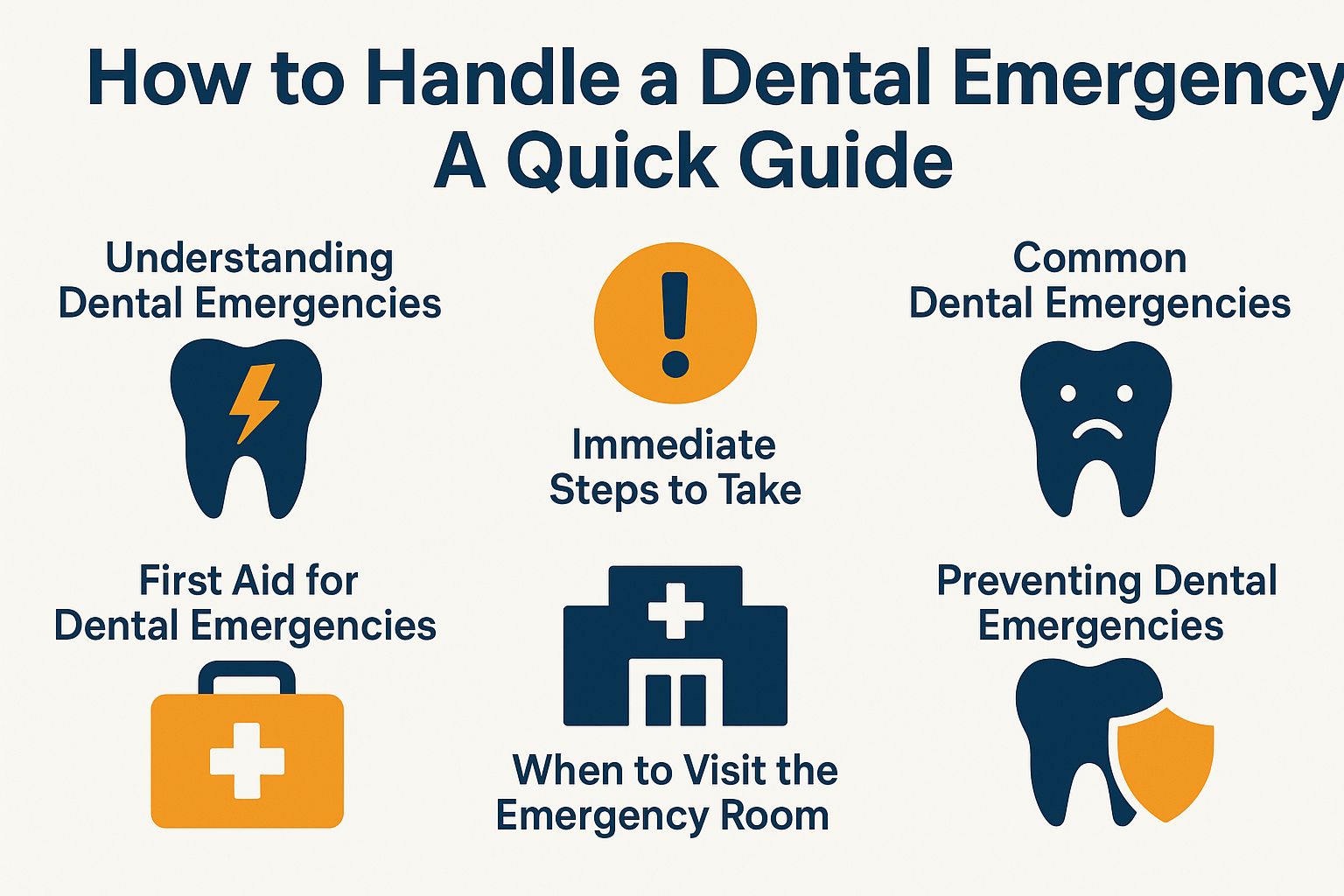
Understanding Dental Emergencies
Knowing about dental emergencies and having an emergency dental kit is vital. Twenty-two percent of adults face dental issues each year.

Types of Dental Emergencies
Common dental emergencies include: toothaches, knocked-out teeth, broken teeth, lost fillings, and severe infections. Each requires specific responses.
Acting quickly is essential. For toothaches, rinse with warm salt water and avoid hot or cold foods until you see a dentist.
For a knocked-out tooth, keep it moist. Place it in milk or saline and seek dental help within 30 minutes. A broken tooth may require a protective covering; in such instances, it is recommended to cover the tooth with wax until a dentist can be seen.
For an abscess or infection, one should not disregard any swelling; it is crucial to seek emergency room care to prevent the spread of infection.
Signs You Need Immediate Care
Recognizing symptoms such as severe pain, swelling, and difficulty in eating is essential for determining the need for immediate dental care, as these factors can significantly impact oral health.
Emergency dental situations often present with several concerning symptoms, such as persistent severe pain, swelling in the gums, or uncontrolled bleeding from the mouth.
- Persistent severe pain indicates an underlying issue needing urgent intervention. Swelling in the gums or face suggests infection, which can escalate rapidly. Uncontrolled bleeding warns of potential injury or gum disease.
A visible abscess is a clear indicator of infection that may require drainage and antibiotic treatment. Tooth mobility may indicate advanced decay or periodontal disease. Both need prompt attention to prevent complications.
Immediate Steps to Take
In case of a dental emergency, acting quickly can make a big difference. It may save the tooth or ease your pain.

Assessing the Situation
Start by assessing the injury. Check for tooth fragments and gather necessary information before contacting your dentist.
Start by observing the nature of the pain; is it sharp or dull? This distinction will assist the dentist in gaining a clearer understanding of the issue at hand.
Next, examine for signs of swelling or bleeding, as these may indicate a more serious problem. Additionally, check for any loose or chipped teeth, as these conditions require immediate attention.
Gather your dental history, including previous treatments. This helps the dentist understand your situation better.
Contacting Your Dentist
Contact your dentist right away. Provide detailed information about your situation for the best treatment.
Describe your symptoms clearly, like pain or swelling. This helps your dentist assess urgency.
Ask about interim measures to ease discomfort until your appointment. Rinse with warm salt water or apply a cold compress to the affected area.
Common Dental Emergencies
Knowing common dental emergencies helps you act quickly. This often significantly affects treatment outcomes.

Toothache
Toothaches may signal serious dental problems like cavities or infections. Quick evaluation and treatment are necessary.
Recognize toothache symptoms: persistent pain, sensitivity to hot or cold, and gum swelling. These may require dental cement or restoration.
For immediate relief, rinse your mouth with warm salt water. You can also take over-the-counter pain relievers like ibuprofen or acetaminophen. Additionally, applying a cold compress to the affected area can help reduce inflammation. However, it is important to note that these measures offer only temporary relief.
Schedule a dental appointment as soon as possible. Early intervention can prevent severe complications.
Knocked-Out Tooth
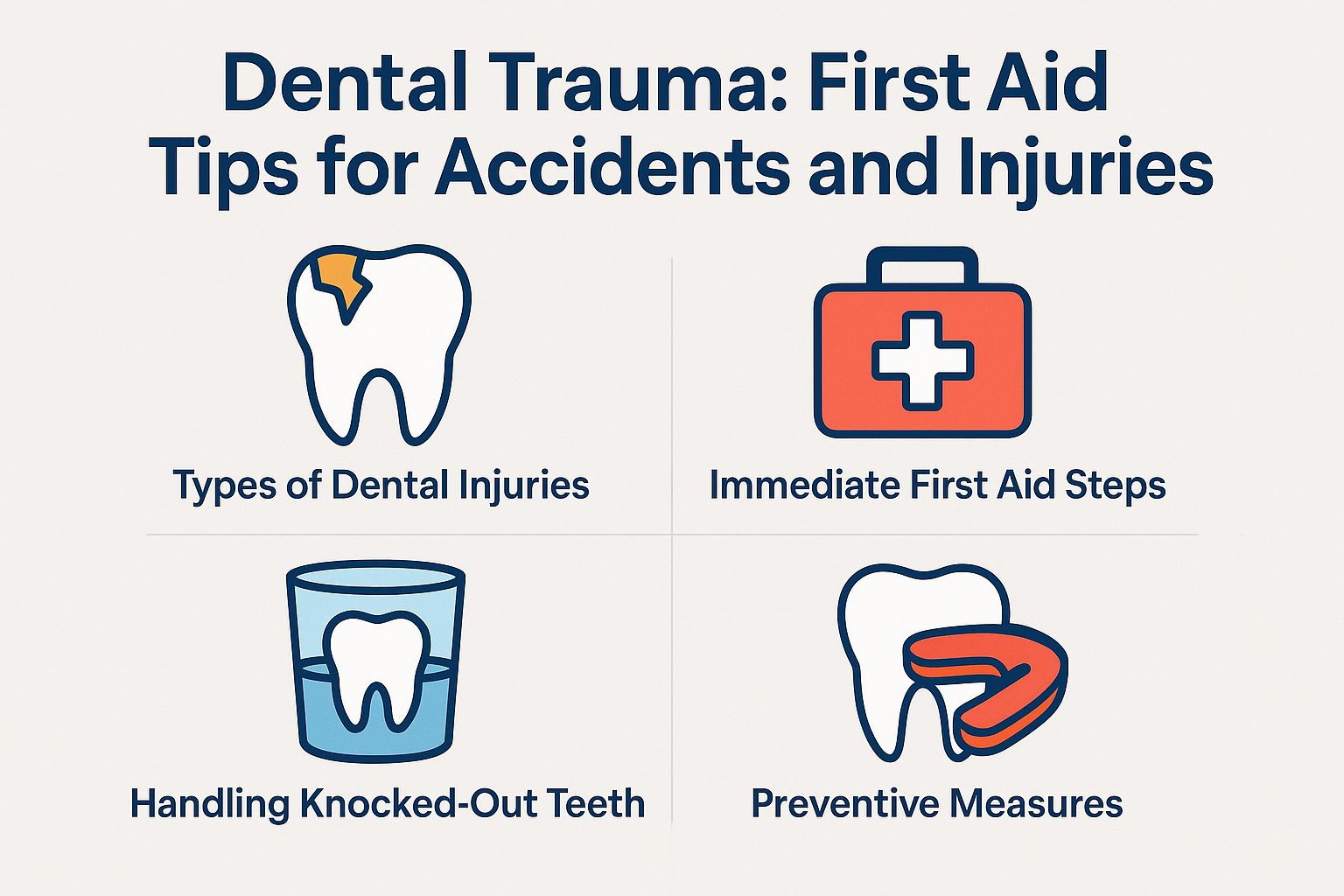
A knocked-out tooth is an emergency. Act quickly to improve the chances of successful re-implantation. Follow these steps:
- Gently rinse the tooth with water to remove any debris, being careful not to scrub it.
- Store the tooth in a moist environment, preferably in a glass of milk or a saline solution, as these options help preserve the root and aid in tooth restoration.
- Refrain from storing the tooth in water, as this can damage the cells.
- Seek dental care as soon as possible; research indicates that the success rate of re-implanting a tooth is approximately 90% when performed promptly with the help of dental professionals.
Broken or Chipped Tooth
Broken or chipped teeth can be painful. Get a dental exam quickly to prevent further damage and initiate the dental restoration process.
To effectively manage the discomfort associated with a broken tooth or tooth injury, consider implementing the following steps:
- Avoid hard or crunchy foods that may exacerbate the injury; instead, opt for softer items such as yogurt or mashed potatoes.
- Utilize dental wax or orthodontic wax to cover any sharp edges, thereby preventing irritation to the oral soft tissues.
- Do not hesitate to schedule an appointment with a dentist. A dental professional can recommend appropriate restoration options, such as crowns or fillings, to restore the tooth’s function and aesthetic appearance.
By taking these measures, individuals can minimize discomfort while ensuring they receive the necessary professional care.
Abscess or Infection
Gum Abscesses are serious infections needing immediate medical attention. They can lead to severe health complications; therefore, they require prompt medical attention and often necessitate the use of antibiotics and dental technician support.
Watch for symptoms like throbbing pain, swelling, and fever. Seek immediate care if you notice these symptoms, as untreated abscesses can result in the spread of infection.
The treatment typically involves drainage, wherein a healthcare professional removes pus, and may also include antibiotic therapy to combat the infection. While over-the-counter analgesics such as ibuprofen may provide temporary relief from pain, they do not substitute the need for professional medical intervention.
Timely care with dental insurance support is crucial in preventing further complications, thus emphasizing the importance of early recognition of symptoms.
First Aid for Dental Emergencies
First aid can ease pain and prevent worsening of dental emergencies. Use dental floss or a cold compress until you see a professional.

Pain Management Techniques
Managing pain effectively can ease discomfort during dental emergencies.
For pain relief, use acetaminophen or ibuprofen.
Applying a cold compress to the cheek for 15-20 minutes can reduce swelling and numb the area.
Rinsing with warm salt water, made with 1 teaspoon of salt in a glass of warm water, helps reduce irritation and promotes healing. This rinse may be repeated up to three times daily.
Quick Fixes Before Seeing a Dentist
Using quick fixes offers immediate relief and protects the area until you can see a dentist. To alleviate discomfort, one may begin by using dental wax to cover the sharp edges of broken teeth, thereby minimizing irritation to the oral cavity.
Rinsing with warm salt water is also beneficial, as it helps reduce inflammation and cleanses the area, promoting the healing process.
It is important to exercise caution with dietary choices; avoiding hard or crunchy foods can prevent further aggravation of the injury. In the case of a loose crown or filling, utilizing dental cement or sugarless gum can temporarily secure it until professional assistance at a dental clinic is sought.
These quick methods enhance comfort during unexpected dental crises. You need to take care of your teeth and do proper maintence on them for longevity.
When to Go to the Emergency Room
Knowing when to go to the emergency room is crucial for handling severe dental emergencies.
Recognizing Severe Cases
Severe cases necessitate immediate medical intervention. Indicators of such cases include uncontrollable bleeding, extreme pain, and swelling that compromises breathing.
In instances of significant facial swelling, it is essential to seek emergency care or emergency dental services to prevent potential airway obstruction. For compound fractures of the jaw, an orthopedic evaluation is crucial to mitigate the risk of complications.
Trauma causing airway obstruction is critical. Keep the victim calm while waiting for help.
Hospital protocols typically involve imaging tests to evaluate the severity of the injury and the formulation of a pain management plan. Following stabilization, specialists may recommend surgical intervention or ongoing follow-up care, contingent upon the diagnosis.
How to Prevent Future Dental Emergencies
Taking preventive steps can significantly lower the chances of dental emergencies. Regular dental check-ups are essential for identifying potential issues early.

Regular Dental Checkups
Regular dental check-ups, typically conducted every six months, are essential for identifying potential issues early and minimizing the risk of emergencies. These visits usually involve a thorough exam, cleaning, and possible x-rays. During the examination, the dentist assesses for cavities, gum disease, and other conditions that may not be immediately apparent.
Routine cleanings are crucial in preventing plaque accumulation, which can lead to more serious dental concerns. Research indicates that patients who adhere to a schedule of regular check-ups experience up to 60% fewer dental emergencies compared to those who do not.
Prioritizing these visits helps maintain oral health and saves time and money on major procedures.
Sports Protective Gear
Wearing protective gear, such as mouthguards, during athletic activities is essential for preventing tooth injuries and minimizing the occurrence of dental emergencies.
Custom mouthguards from dental professionals fit better and can reduce the risk of dental injuries by up to 80%. While over-the-counter options are available at a lower price point, they may not deliver the same level of security or comfort as professionally fitted mouthguards.
Wearing mouthguards during high-impact activities like football, boxing, or hockey is crucial.
These activities have a higher risk of injuries. Studies show that athletes using mouthguards have fewer oral injuries.
- Football
- Boxing
- Hockey
Protect your smile-always wear a mouthguard during these sports!